AI Daily — July 12, 2026

Models & Research
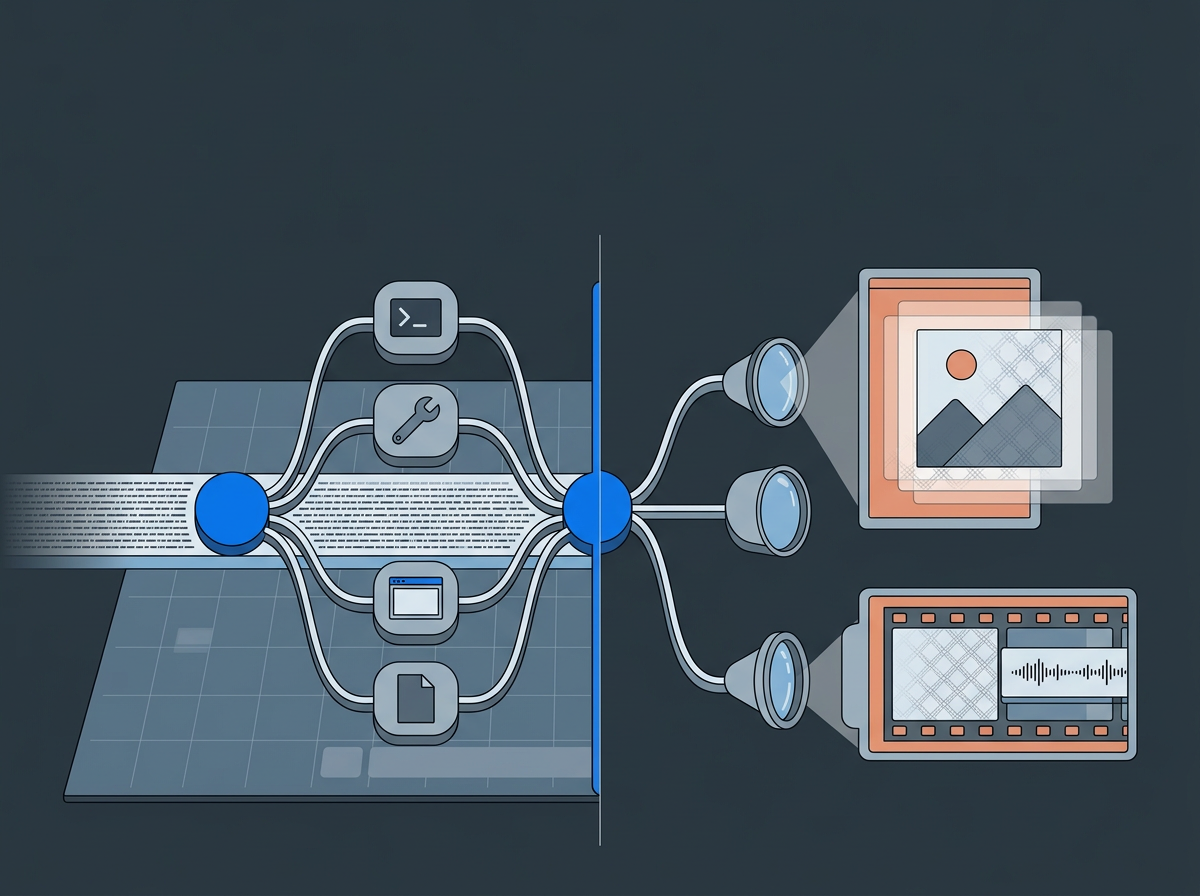
Meta opens developer access to Muse Spark 1.1 with new Model API — Meta Superintelligence Labs launched Muse Spark 1.1 on July 9, a multimodal reasoning model built for agentic work. Meta claims gains over the prior version in coding, tool use, computer use, and multimodal understanding. The model is the first available through the new Meta Model API, now in public preview, and ships in "Thinking" mode on meta.ai and in the Meta AI app. ai.meta.com ↗
My takeaway: According to Artificial Analysis, this model is not competing for the top of the intelligence charts. It is undercutting the middle of them. For long-running agent workloads where cost-per-task compounds across thousands of steps, a model that matches Sonnet 5 on coding at a quarter of Sol's per-task cost seems to be very attractive. Whether that is enough to seat Meta alongside Anthropic, OpenAI, Google, and xAI is a question about sustained release cadence, not this one benchmark run.
Meta Superintelligence Labs ships its first media generation models — Meta Superintelligence Labs released Muse Image on July 7, described as its most capable image generation and editing model to date. Meta claims faithful instruction-following, precise editing, and composition from multiple references. The model also integrates with Muse Spark, sharing tools and planning jointly across the two systems. Rollout is staged. Muse Image is live in the Meta AI app, on meta.ai, in Instagram Stories in the US, and on WhatsApp in limited countries, with Facebook to follow. A companion video model, Muse Video, is preview only and has not shipped. ai.meta.com ↗
My takeaway: Arena ranks Muse Image and Muse Video third on text-to-image and text-to-video, both flagged preliminary. Muse Image does run as an agent, calling search and coding tools to sharpen factual accuracy. Cost-effectiveness stays unverified as Meta published no pricing yet. Muse Video has not shipped as well.
Tools & Open Source
OpenAI ships ChatGPT Work, and the desktop agent lands on every plan — OpenAI released ChatGPT Work on July 9. The company describes it as an agent that acts across your apps and files, stays with a project for hours, and turns a goal into finished work. It runs on GPT-5.6, which shipped the same day. Rollout is staged on web and mobile, starting with Pro, Enterprise, and Edu. The desktop app is global and immediate. openai.com ↗
My takeaway: In my opinion, ChatGPT Work sits alongside Codex rather than beneath it. Codex stays the coding agent. Work takes the same technology into day-to-day tasks with app, file and browser control. OpenAI says over a million people were already using Codex for non-software work, which is the gap Work is built to close.
Summaries are AI-generated and may contain errors — always verify against the linked original. Each story links to its source, which holds the copyright. Outlet names are shown for attribution only and do not imply any endorsement or affiliation.
Disclaimer: The views expressed in My Takeaway are my own personal opinions and general observations on industry trends. They are not intended to criticize, disparage, or make factual claims about any specific company, product, or platform. Any platform names mentioned are referenced solely for illustrative and informational purposes.