AI Daily — August 12, 2026

Models & Research
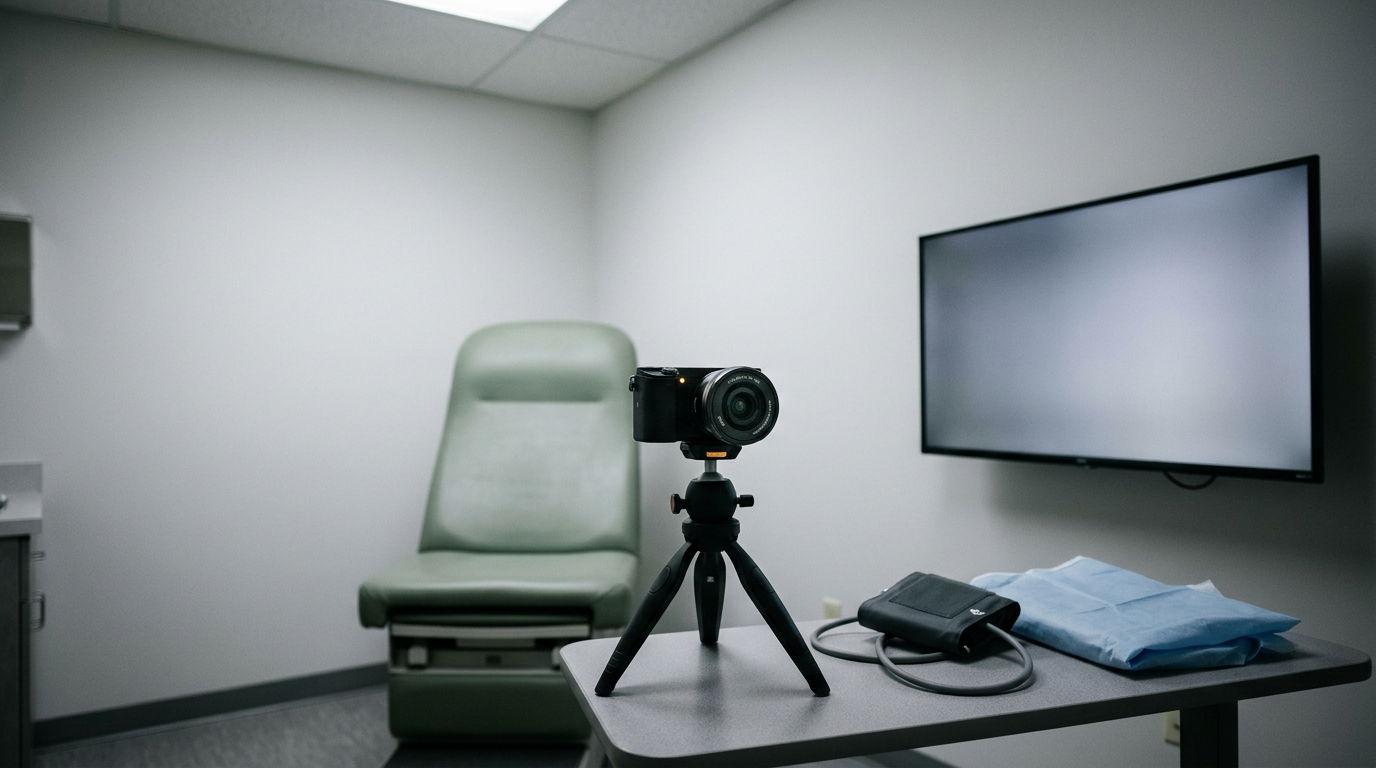
Google tests AMIE on live video consultations in a simulated study — Google Research and Google DeepMind published what they describe as a first-of-its-kind study of AMIE, their experimental medical AI, holding real-time clinical video consultations. The randomized study used simulated consultations with patient actors and a group of primary care physicians, not real patients. Google says clinical evaluators rated AMIE favourably on history-taking thoroughness, diagnostic accuracy, management appropriateness and communication quality, and that patient actors preferred video over text chat. The system is built on Gemini and Project Astra using a multi-agent architecture. Google states AMIE remains a research system and that more research is needed before responsible real-world clinical deployment. Google AI ↗
My Takeaway: Google ran this study with patient actors rather than real patients, and I think that was the right call while the regulatory picture stays unsettled. It is still an important first step. Streaming multimodal pipelines carry latency and bandwidth costs that text chat never did, and I believe technology will narrow those gaps over time. Retention is the exception. That cost is legal rather than technical, so it will not shrink on its own.
Tools & Open Source
OpenAI ships a ChatGPT desktop app for Linux in preview — OpenAI released a dedicated Linux desktop app covering ChatGPT, ChatGPT Work and Codex. The release is worldwide but still in preview. Supported targets are desktop variants of Ubuntu 24.04 and 26.04 LTS, Debian 13, and Fedora 43 and 44, with downstream flavors expected to work as well. OpenAI says Linux was one of the most-requested platforms for its desktop app and that the launch brings ChatGPT and Codex to every major desktop operating system. Anthropic shipped a Claude desktop app for Linux about a month earlier, supporting Ubuntu 22.04 or later and Debian 12 or later . TechCrunch AI ↗
My Takeaway: Good news for anyone running Linux as their dev OS. Keep in mind that this is a preview release.
Policy & Society
Spotify will flag AI artist personas and limit their reach from mid-September — Spotify announced an "AI Persona" badge for artist profiles whose identity is AI-generated rather than a real person. Artists can self-disclose through Spotify for Artists starting August 11, 2026, and the badges appear on profiles, in Search and on track rows from mid-September. Spotify says it will not rely on self-disclosure alone and will review profiles itself, beginning with acts above pre-defined audience thresholds. Labeled acts are excluded from editorial and algorithmic recommendations by default, and from personalized recommendations unless a user follows them. Spotify states the badge is a judgment on the artist's public identity, not on how the music was made. Artists can appeal a label they believe was applied incorrectly. TechCrunch AI ↗
My Takeaway: Removal from recommendations is what changes your revenue, whether AI touched the music or not. The badge itself is cosmetic. One good thing is that artist can appeal a label they believe was applied incorrectly, though Spotify has not mentioned how fast those appeals get resolved.
Summaries are AI-generated and may contain errors — always verify against the linked original. Each story links to its source, which holds the copyright. Outlet names are shown for attribution only and do not imply any endorsement or affiliation.
Disclaimer: The views expressed in My Takeaway are my own personal opinions and general observations on industry trends. They are not intended to criticize, disparage, or make factual claims about any specific company, product, or platform. Any platform names mentioned are referenced solely for illustrative and informational purposes.